
tesa® ACXplus ID – Acrylic foam adhesive tapes for demanding industrial applications
The new tesa® ACXplus ID range offers targeted solutions for reliable high-temperature bonding, transparent bonding and applications involving powder-coated surfaces.
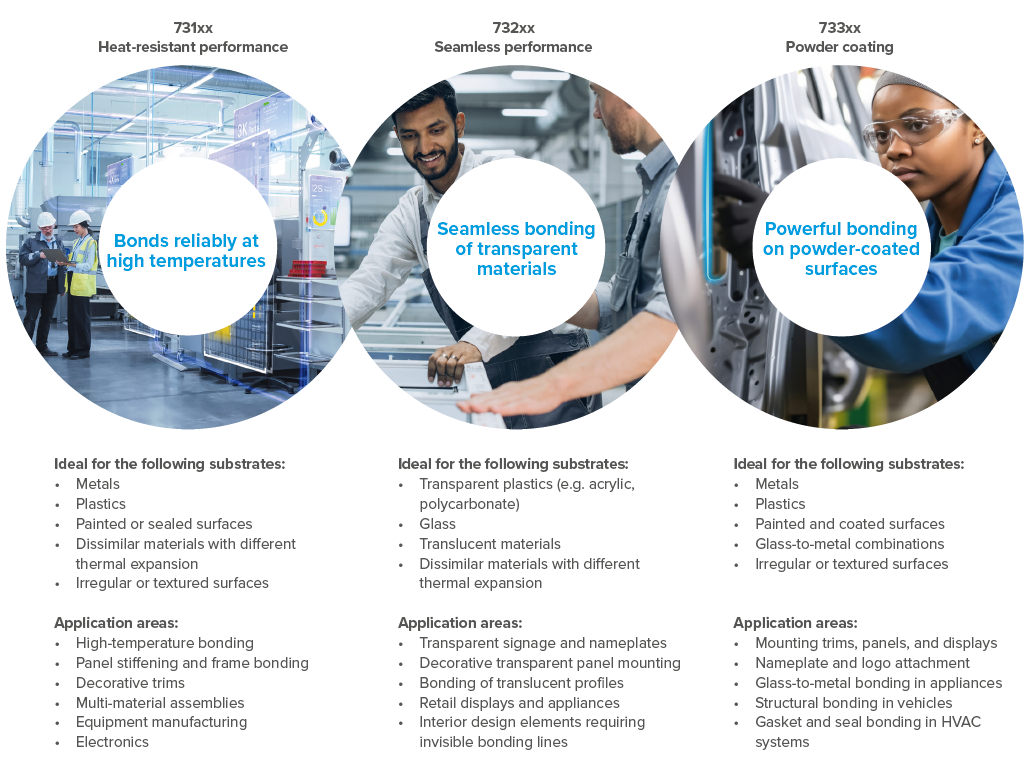
In industrial assembly, choosing the right adhesive tape is essential for the quality, durability and appearance of the finished product. The tesa® ACXplus ID range has been developed to meet the needs of industrial distributors and comprises three groups of double-sided acrylic foam adhesive tapes, each designed for specific demanding applications.
- tesa® 731xx: High-temperature bonding.
- tesa® 732xx: Transparent bonding where a clean, aesthetically pleasing bond line is essential.
- tesa® 733xx: Bonding to powder-coated surfaces and other challenging substrates.
tesa® 731xx – High-temperature bonding
In industrial applications where bonded joints are exposed to elevated temperatures, it is important to select an adhesive tape that meets both the temperature requirements and the demands of the materials being joined.
The tesa® 731xx range is designed for demanding applications requiring reliable bonding under elevated temperatures. Depending on the specific tape, short-term temperature resistance can reach up to 150°C and long-term temperature resistance up to 220°C.
Typical applications:
- High-temperature bonding.
- Reinforcement and stiffening of panels.
- Frame bonding.
- Attachment of protective and impact-protection strips.
- Mounting of various industrial components.
tesa® 732xx – transparent bonding
When both bond strength and appearance are important, the tesa® 732xx range is a suitable option for transparent bonding applications.
For glass, transparent profiles and design elements, a suitably selected transparent adhesive tape can create a clean bond without visible mechanical fasteners. This helps preserve the appearance of the finished product while providing effective component attachment.
Typical applications:
- Mounting transparent signs and identification elements.
- Panel mounting.
- Bonding transparent profiles.
- Attachment of interior design elements.
- Other applications where the visual appearance of the bond line is important.
tesa® 733xx – bonding to powder-coated surfaces
Powder-coated surfaces can present specific challenges in adhesive bonding. Adhesion depends on the properties of the coating, surface preparation and the adhesive system selected.
The tesa® 733xx range is designed for applications requiring reliable bonding to powder-coated surfaces and other substrates, including metal, glass and certain types of plastic.
Typical applications:
- Bonding glass to metal.
- Attaching nameplates and logos.
- Bonding seals and sealing components.
- Mounting decorative profiles and trim strips.
- Attaching panels and other industrial components.
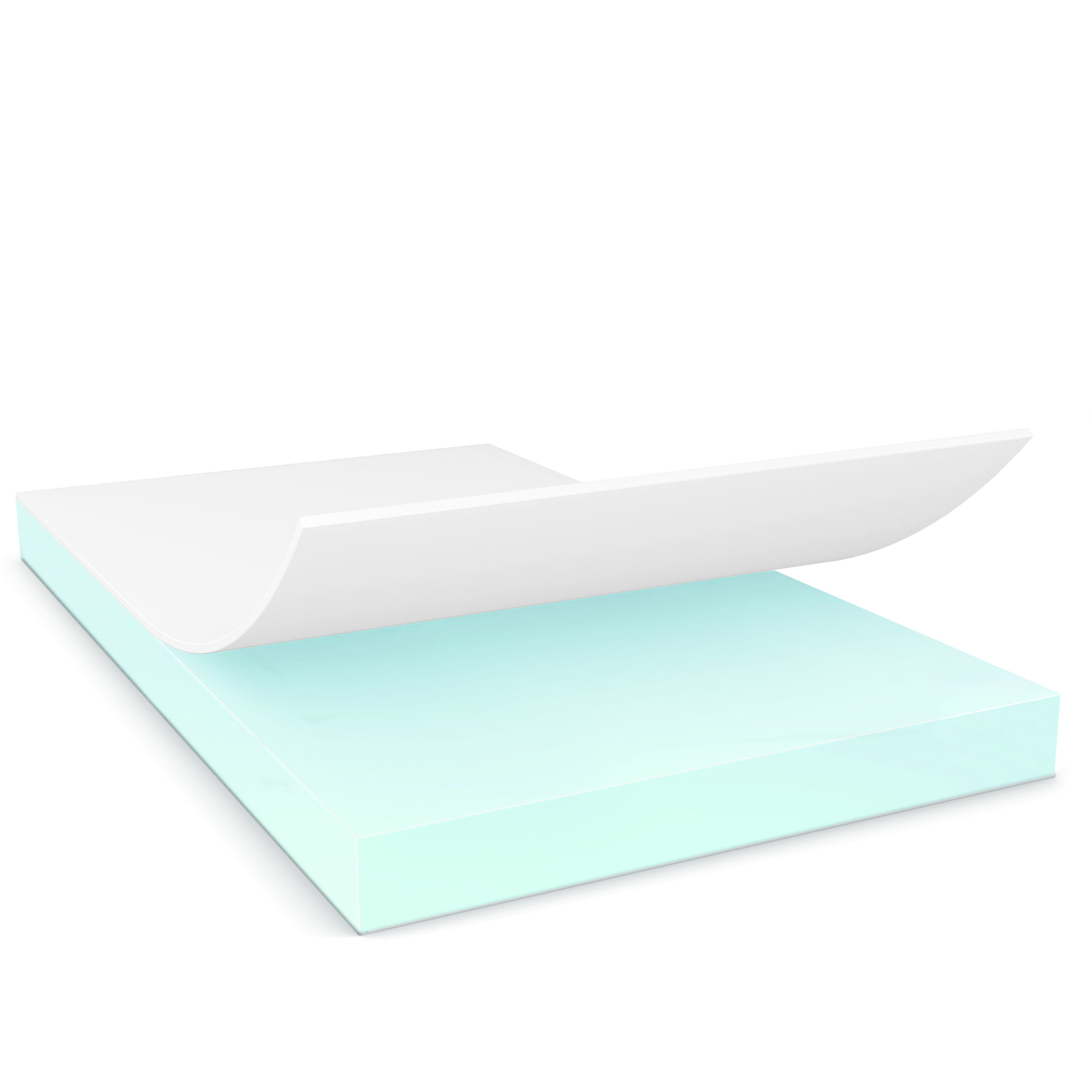
Advantages of acrylic foam adhesive tapes in industrial applications
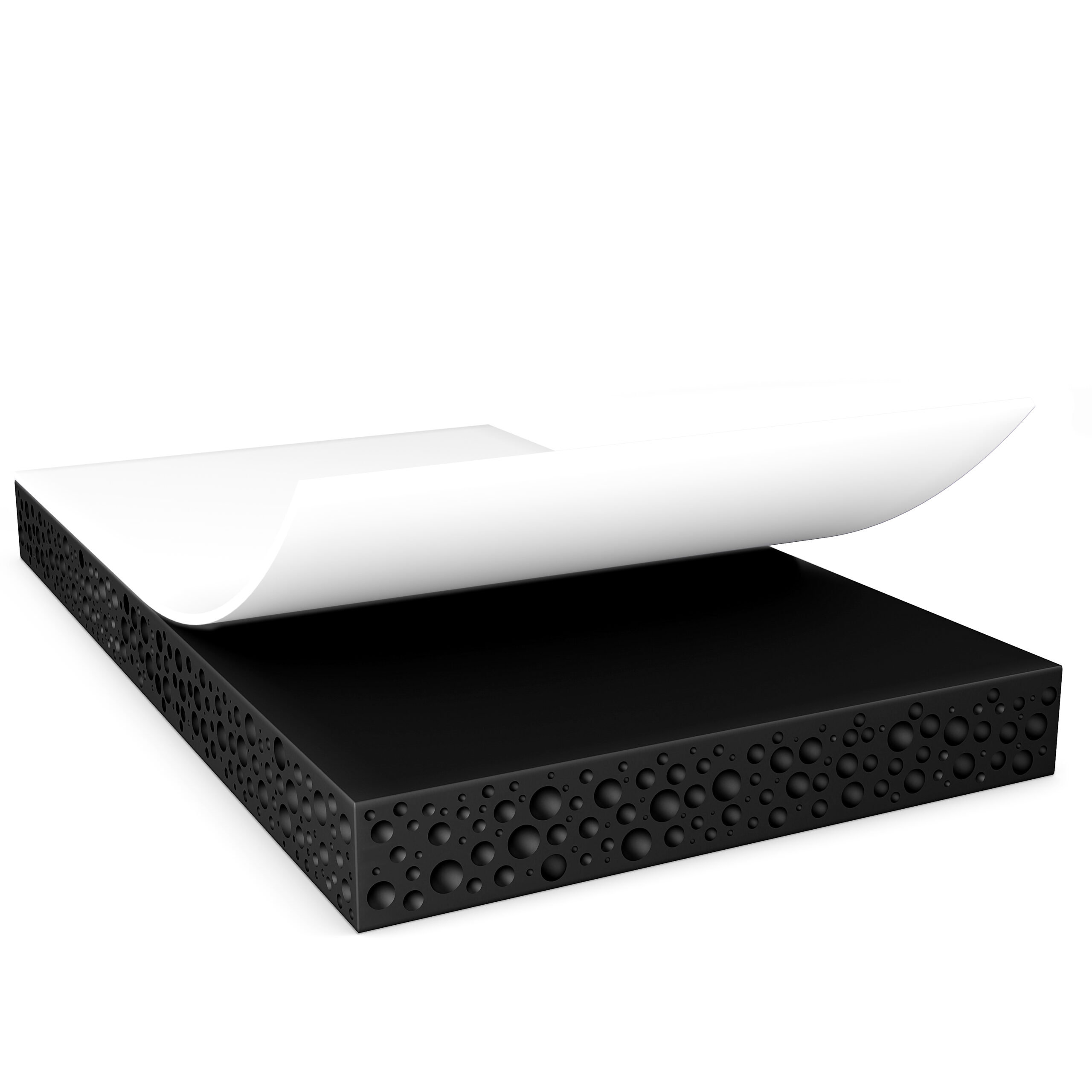
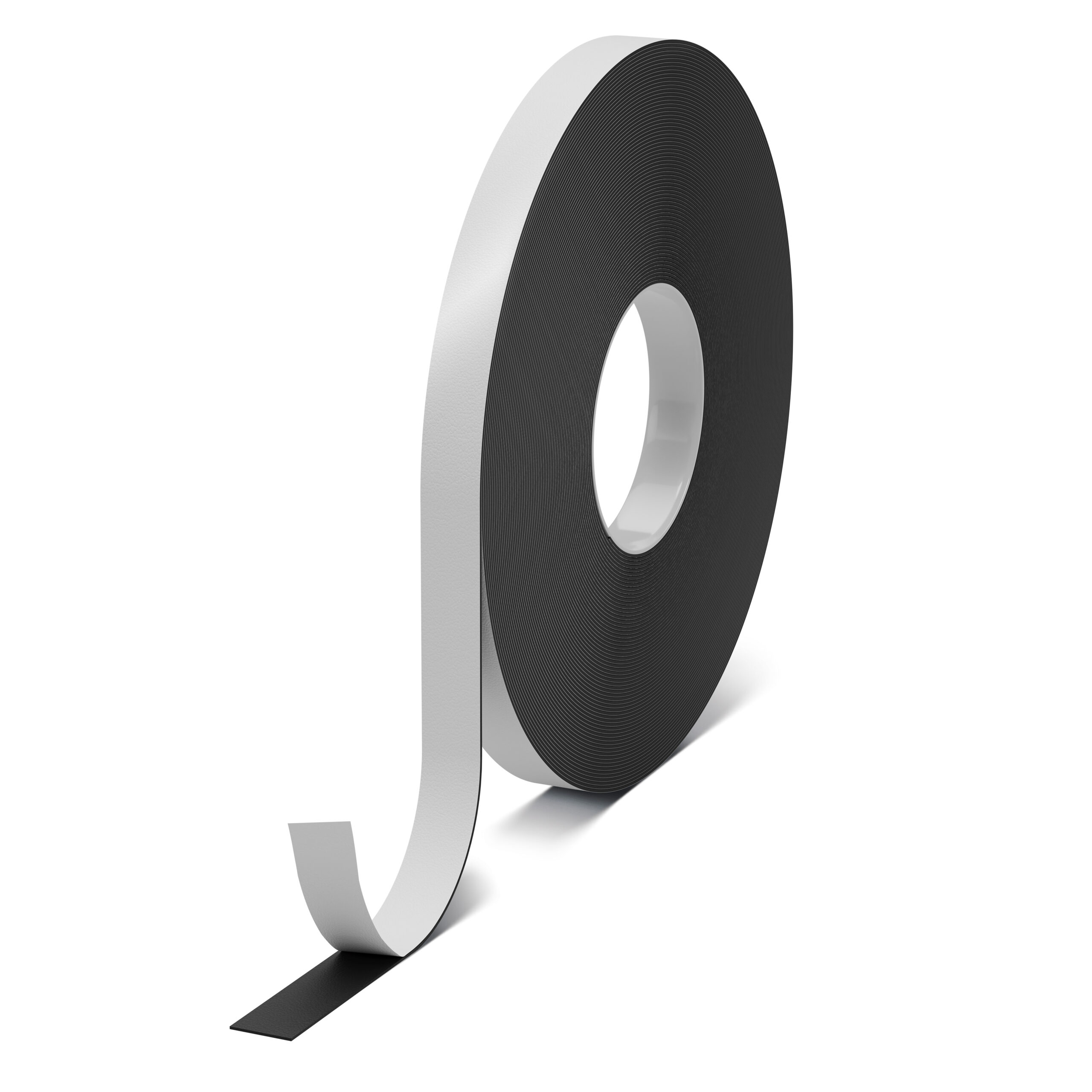
Double-sided acrylic foam adhesive tapes are used across a wide range of industries. They enable the bonding of different materials while providing a discreet fastening solution.
Key advantages of a suitably selected acrylic foam tape include:
- Durable bonding: Reliable joining of components when the correct product is selected and surfaces are properly prepared.
- Clean appearance: No visible screws, rivets or other mechanical fasteners.
- Adaptability to surfaces: The foam core can accommodate certain surface irregularities.
- Bonding different materials: Suitable tape systems can join combinations of metal, glass, painted surfaces and selected plastics.
- Efficient assembly: Potential to simplify manufacturing processes and reduce the need for additional fastening components.
How to choose the right tesa® ACXplus ID adhesive tape
Selecting the right adhesive tape involves more than identifying the materials to be joined. The operating conditions, surface properties and requirements of the manufacturing process must also be considered.
This article was created in cooperation with tesa®

Read more